
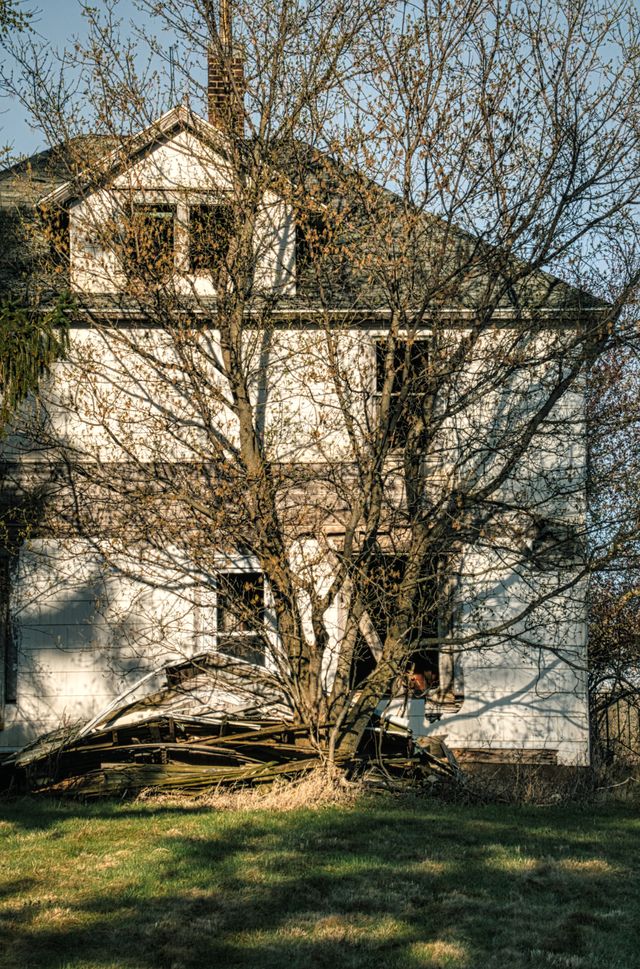
A vacant home can be an appealing opportunity for buyers. In many cases, these properties may be priced competitively, located in desirable neighborhoods, or offer features that are difficult to find elsewhere. However, a house that has been unoccupied for an extended period can also come with a unique set of challenges that are easy to overlook during a casual walkthrough.
Before moving forward with a purchase, it is important to understand what months—or even years—of vacancy can do to a home.
When Small Problems Become Big Ones
One of the biggest concerns with a long-vacant property is deferred maintenance. Every home requires regular attention, and when no one is living in the house, minor issues often go unnoticed.
Take a small, seemingly insignificant roof leak, for example. Over time, that leak can lead to damaged insulation, stained ceilings, wood rot, and even mold growth. What could have been a simple repair may turn into a costly renovation.
Similarly, clogged gutters, cracked caulking, and deteriorated exterior materials can allow moisture to enter areas where it does not belong.
Plumbing Problems Behind the Walls
Water systems are especially vulnerable in vacant homes. Plumbing fixtures that sit unused for long periods can develop leaks, corrosion, or deteriorated seals.
In colder climates, properties that were not properly winterized may have experienced frozen pipes. Sometimes these damaged pipes do not reveal themselves until the water is turned back on, creating an unpleasant surprise for the new owner.
Water heaters, sump pumps, and other mechanical components may also have reached the end of their service life while sitting idle.
HVAC and Electrical Concerns
Heating and cooling systems generally perform best when they are regularly operated and maintained. Extended inactivity can contribute to mechanical failures, clogged components, and reduced efficiency.
Electrical systems also deserve close attention. Vacant properties occasionally attract rodents, which may chew on wiring hidden inside walls, attics, and crawl spaces. These issues can create both safety concerns and unexpected repair expenses.
Moisture, Mold, and Indoor Air Quality
A lived-in home naturally benefits from routine airflow and climate control. Vacant homes often do not.
Without proper ventilation, moisture can accumulate indoors, particularly in basements, crawl spaces, and poorly ventilated rooms. Over time, elevated humidity levels can encourage mold growth, wood deterioration, and unpleasant odors that may be difficult to eliminate.
Pest Activity Often Goes Unnoticed
An empty house can become an attractive shelter for insects, rodents, birds, and other unwanted visitors. Because no one is present to spot early signs of activity, infestations may continue undetected for months.
Evidence of pests is not always obvious during a showing, making a thorough evaluation especially important.
A Smart Purchase Starts with a Thorough Inspection
Vacant homes are not necessarily bad investments. In fact, many turn out to be excellent purchases. The key is understanding the property’s true condition before committing to the transaction.
A comprehensive home inspection can help uncover hidden defects, identify safety concerns, and provide valuable insight into potential repair costs. With the right information, buyers can make informed decisions, negotiate more effectively, and move forward with greater confidence.
The bottom line: a vacant home may offer opportunity, but it should never be viewed as a bargain until its condition has been carefully evaluated from top to bottom.
Recent Comments