
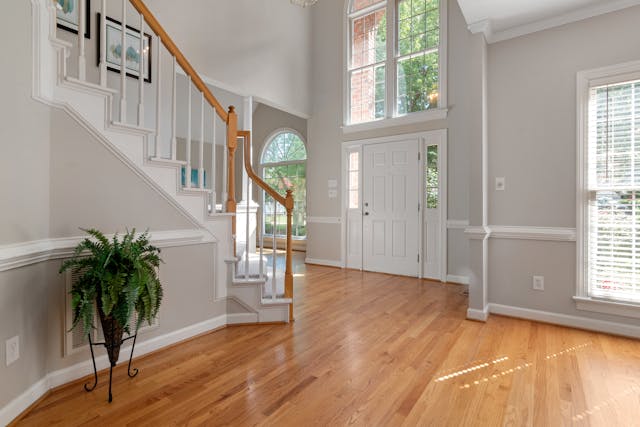
The Quiet Influence of Layout
A home’s layout is more than just where walls and rooms sit—it shapes how the space is experienced every day. When a floor plan flows naturally, movement feels effortless and each room serves a clear purpose. However, when layout is poorly considered, even a well-built house can feel awkward or inefficient.
Common issues often show up in subtle ways: narrow hallways that disrupt circulation, poorly placed doorways that limit furniture arrangement, or rooms that feel disconnected from the rest of the home. Kitchens tucked too far from living areas, for example, can make everyday living less convenient. Likewise, a lack of defined transitions between spaces can lead to confusion rather than comfort.
A thoughtful layout should balance openness with function, allowing spaces to connect without sacrificing purpose. When that balance is missing, the home can feel smaller, less usable, and ultimately less enjoyable.
Natural Light: More Than Just Brightness
Natural light plays a crucial role in how a home looks and feels. It affects mood, energy efficiency, and even the perceived size of a space. Well-placed windows can transform an ordinary room into a welcoming, vibrant environment.
When natural light is poorly planned, the consequences become immediately noticeable. Rooms may feel dim or enclosed, requiring constant artificial lighting. In some cases, important living areas receive minimal daylight, while less-used spaces are overly exposed. This imbalance not only impacts comfort but can also increase energy costs over time.
Orientation matters as well. A home that fails to consider the sun’s path may experience excessive heat in some rooms and insufficient light in others. Proper window placement and sizing are essential to achieving a consistent and comfortable lighting environment throughout the day.
Where Layout and Light Intersect
Layout and natural light are closely connected. A well-designed floor plan takes advantage of available daylight, placing frequently used spaces—such as living rooms and kitchens—where they can benefit most from sunlight.
When these elements are not aligned, the results can be frustrating. For instance, a beautifully sized living room placed on the darkest side of the house may never feel inviting. Similarly, interior rooms without access to windows can feel confined, regardless of their size.
Good design ensures that light flows through the home as naturally as people do. Open sightlines, strategic window placement, and thoughtful room positioning all contribute to a brighter, more cohesive space.
Long-Term Impact on Comfort and Value
Homes with poor layout and inadequate natural light often face long-term challenges. They can be harder to furnish, less appealing to occupants, and more difficult to sell. Over time, these issues may require costly modifications to correct.
On the other hand, homes that prioritize functional layout and effective lighting tend to age well. They remain comfortable, efficient, and attractive, even as needs change.
A Balanced Approach
Achieving the right balance between layout and natural light doesn’t require complexity—it requires intention. Careful planning, attention to detail, and an understanding of how spaces are used can make a significant difference.
When both elements are handled well, the result is a home that feels intuitive, comfortable, and naturally inviting—qualities that never go out of style.
Recent Comments